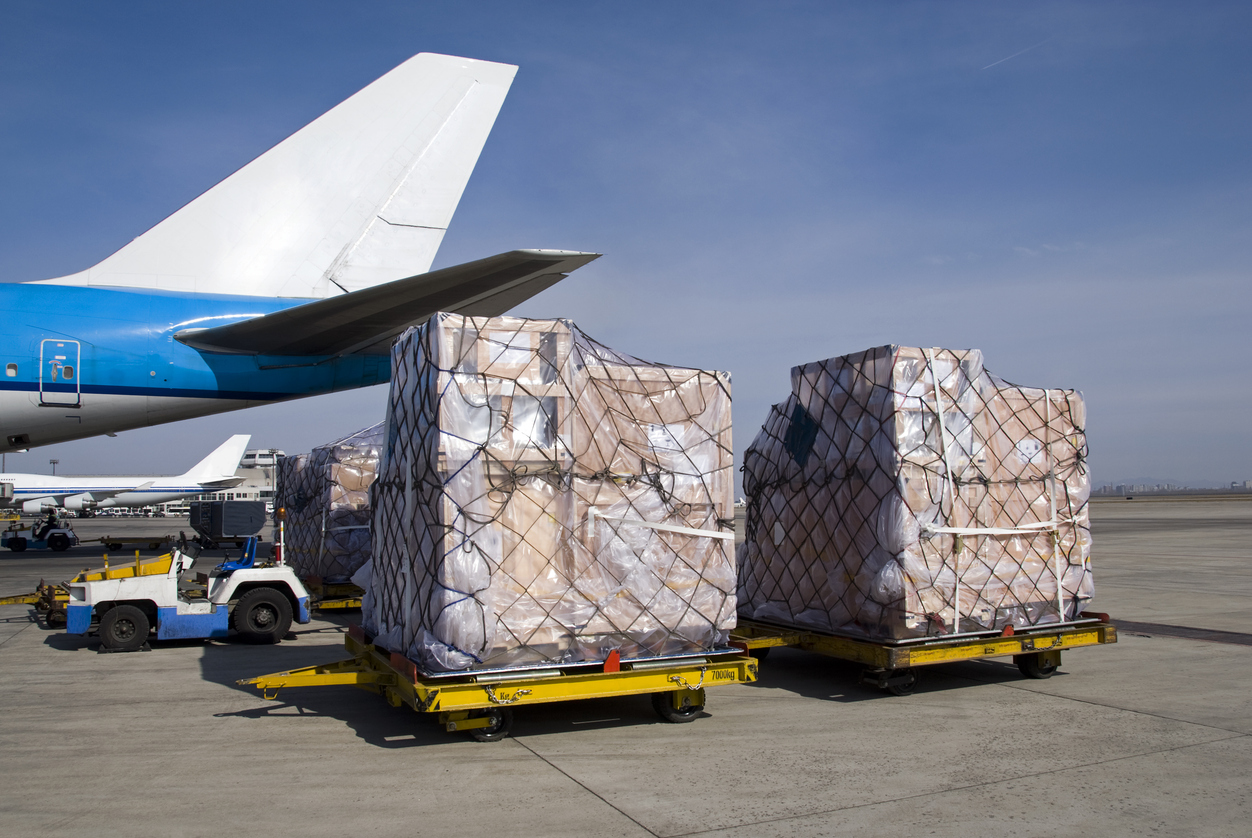
Volumetric Weight vs Actual Weight: Understanding How Air Freight Charges Work
One of the most common questions customers ask when sending items by air is:
"Why is my shipment being charged based on a weight that's heavier than what my scale shows?"
The answer usually comes down to understanding the difference between actual weight and volumetric weight.
Whether you're sending personal belongings, commercial goods, or urgent packages overseas, knowing how air freight charges are calculated can help you avoid surprises and better estimate shipping costs.
At My Global Delivery, we believe that understanding the basics of international shipping helps customers make smarter and more cost-effective decisions.
What Is Actual Weight?
Actual weight, sometimes referred to as gross weight, is the physical weight of your shipment when placed on a scale.
For example:
A box of clothes weighing 15kg has an actual weight of 15kg.
A carton containing books weighing 8kg has an actual weight of 8kg.
This measurement only considers how heavy the shipment is and does not take its size into account.
What Is Volumetric Weight?
Volumetric weight, also known as dimensional weight, measures how much space a shipment occupies inside an aircraft.
Even if an item is relatively light, it may still take up a significant amount of cargo space.
Examples include:
Pillows
Lightweight furniture
Stuffed toys
Large but lightly packed boxes
Because cargo space on aircraft is limited, airlines use volumetric weight calculations to ensure shipping charges fairly reflect both weight and space usage.
How Is Volumetric Weight Calculated?
For air freight, volumetric weight is typically calculated using the following formula:
Length × Width × Height (cm) ÷ 6,000
For example:
A box measuring:
60cm × 50cm × 40cm
Calculation:
60 × 50 × 40 = 120,000
120,000 ÷ 6,000 = 20kg
Even if the actual weight of the shipment is only 12kg, the volumetric weight is 20kg.
In this case, the airfreight shipment would usually be charged based on 20kg.
Which Weight Is Used for Shipping Charges?
Air freight providers compare:
Actual weight
Volumetric weight
The higher of the two becomes the chargeable weight.
For example:
Example: How Chargeable Weight Is Determined
Example 1
Actual Weight: 15kg
Volumetric Weight: 20kg
Chargeable Weight: 20kg
Example 2
Actual Weight: 25kg
Volumetric Weight: 18kg
Chargeable Weight: 25kg
Example 3
Actual Weight: 10kg
Volumetric Weight: 10kg
Chargeable Weight: 10kg
Simple Rule: The higher value between the actual weight and volumetric weight becomes the chargeable weight used for air freight pricing. This is why a large but lightweight package can sometimes cost more to ship than a smaller, heavier one.
This system helps airlines allocate cargo space efficiently while maintaining fair pricing.
Why Volumetric Weight Matters
Many customers assume that shipping costs depend entirely on physical weight. However, oversized shipments often cost more because they occupy more cargo space.
Understanding volumetric weight helps:
Estimate shipping costs more accurately
Avoid oversized packaging
Optimise shipment sizes
Reduce unnecessary freight charges
For businesses shipping products regularly, this can lead to significant savings over time.
Need Help Understanding Shipping Costs?
Explore My Global Delivery Services
How to Reduce Volumetric Weight Charges
There are several ways to improve shipping efficiency and potentially reduce costs.
Use Appropriately Sized Boxes
Avoid packaging that is much larger than the contents inside. Empty space increases dimensions and can result in a higher volumetric weight.
Pack Efficiently
Consolidating items into fewer, properly sized cartons can help reduce overall shipment volume.
Avoid Excessive Packaging
Protective materials are important, but overpacking can increase dimensions unnecessarily.
Consult Shipping Experts
Experienced freight providers can help identify packaging strategies that balance protection and cost efficiency.
Why Air Freight Uses Volumetric Weight
Aircraft have limited cargo capacity, making space extremely valuable.
Unlike sea freight, which often accommodates larger volumes of cargo, air freight prioritises both weight and available cargo space.
This is why large but lightweight items can sometimes cost more to ship by air than expected.
In some situations, sea freight may be the more economical option for oversized shipments with flexible delivery timelines.
Making Smarter Shipping Decisions
Understanding the difference between actual weight and volumetric weight can help individuals and businesses make better shipping decisions.
Whether you're sending personal effects, business inventory, or urgent cargo, knowing how chargeable weight is calculated allows you to:
Budget more accurately
Compare shipping options effectively
Optimise packaging
Avoid unexpected freight costs
The more informed you are about freight calculations, the easier it becomes to choose the right shipping solution for your needs.
Take the Guesswork Out of International Shipping
International shipping doesn't have to be complicated. With the right guidance and a better understanding of how freight charges work, you can avoid surprises and plan shipments more confidently.
At My Global Delivery we help individuals and businesses navigate international shipping with practical advice, reliable support, and tailored freight solutions.
Ready to ship smarter and understand your freight costs better?
